What if one document stood between you and regulatory compliance, supply chain efficiency, and ultimately, your bottom line? Certificates of Analysis (COAs) are precisely that impactful. They’re more than just pieces of paper; they're the key to verifying product quality and safety. Yet, most companies handle them with outdated manual processes, leading to inefficiencies and risks.
What Is a Certificate of Analysis (COA)?
A Certificate of Analysis (COA) is a document issued by a manufacturer or accredited laboratory. It certifies that a product meets specific quality and safety standards. Think of it as a product's passport, detailing its characteristics and test results. It provides assurance to buyers that the product they are receiving conforms to agreed-upon specifications. This is especially crucial in industries where even minor deviations can have significant consequences. COAs are vital for maintaining trust, ensuring regulatory compliance, and mitigating potential liabilities.
What's Actually Inside a COA — Field by Field
COAs aren't standardized, so their format can vary. However, key fields are typically included:
- Product Name and Batch/Lot Number: Identifies the specific product and its production batch.
- Date of Analysis: Indicates when the testing was performed.
- Manufacturer Information: Includes the name and contact information of the manufacturer.
- List of Tests Performed: Details the specific tests conducted on the product (e.g., purity, potency, microbial analysis).
- Test Results: Presents the actual results obtained from each test.
- Acceptance Criteria/Specifications: Specifies the acceptable range or limits for each test result.
- Conclusion/Verdict: A statement of whether the product meets the required specifications.
- Signature and Title: Authenticates the COA with the signature and title of the issuing authority.
Different COAs may include additional information such as storage conditions, shelf life, and references to specific testing methodologies. This level of detail is essential for traceability and accountability.
Which Industries Rely on COAs (and Why)
COAs are indispensable across a wide range of industries, particularly where quality control and regulatory compliance are paramount.
- Pharmaceuticals: Ensures drug safety, efficacy, and compliance with stringent regulations.
- Food and Beverage: Verifies the quality and safety of ingredients and finished products, preventing contamination and ensuring nutritional value.
- Chemicals: Confirms the purity and composition of chemical substances, critical for manufacturing processes and safety.
- Cosmetics: Guarantees the safety and quality of cosmetic products, avoiding harmful ingredients and ensuring product stability.
- Dietary Supplements: Validates the potency and purity of supplements, protecting consumers from misleading claims and potential health risks.
- Cannabis: Provides transparency and accountability in the cannabis industry, ensuring product safety, potency, and compliance with regulations.
Why are they so important? Because in these sectors, errors can have severe repercussions, ranging from product recalls to legal liabilities and, most importantly, harm to consumers.
The 4 Biggest Challenges in COA Management (That Nobody Talks About)
While COAs are essential, managing them manually presents numerous challenges:
- Data Entry Errors: Manually transcribing data from COAs into databases is prone to human error, which can compromise data integrity.
- Version Control Issues: Tracking multiple versions of COAs, especially when revisions occur, can be a logistical nightmare.
- Time-Consuming Processes: Manually searching for specific COAs or data points within them is incredibly inefficient.
- Lack of Centralized Access: Storing COAs in disparate locations (e.g., shared drives, email inboxes) hinders collaboration and accessibility.
These challenges aren't just theoretical; they translate into real costs, delays, and potential compliance risks. What hidden bottlenecks are lurking in your COA management process?
Manual vs. Automated COA Management — What Changes
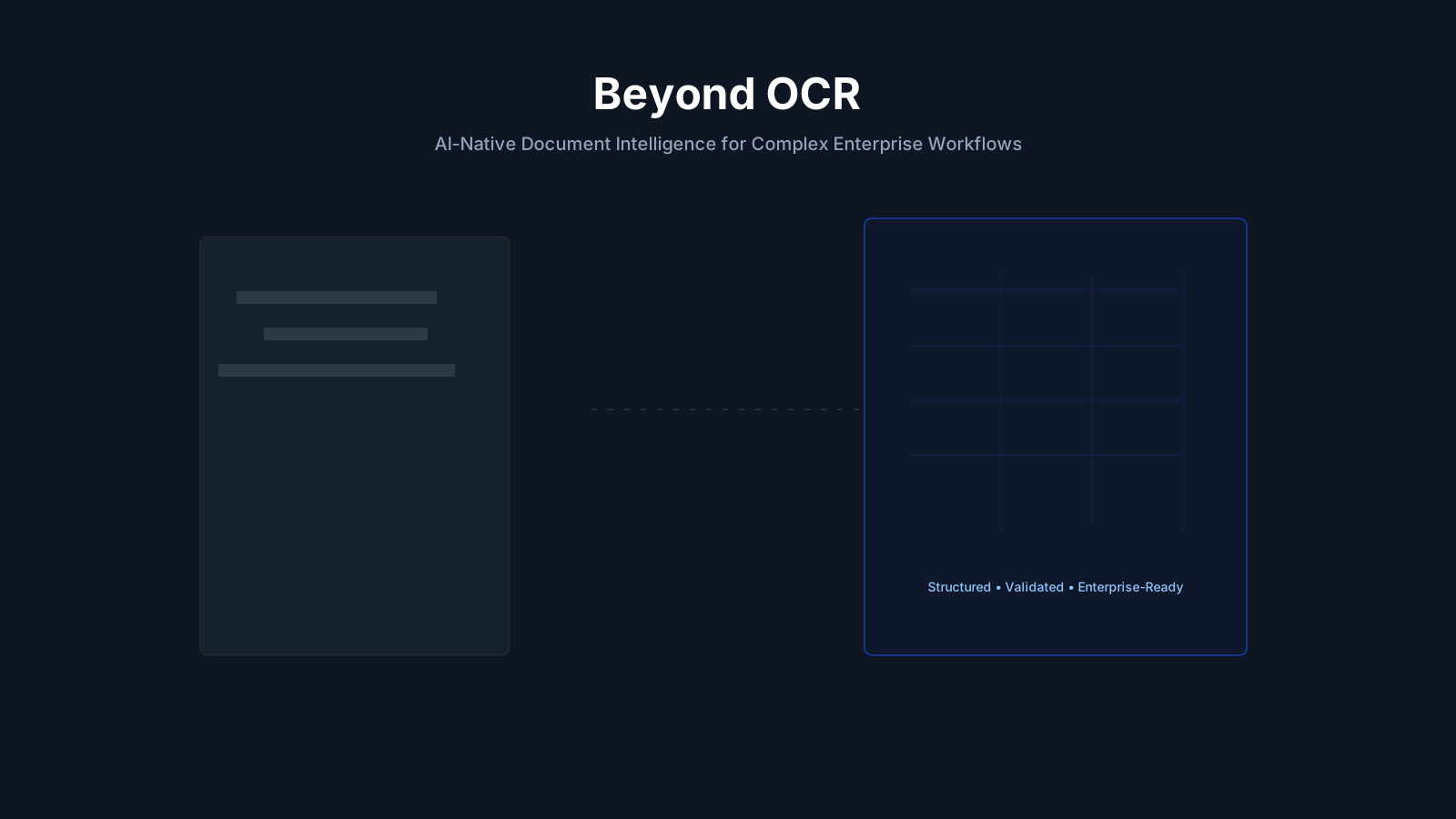
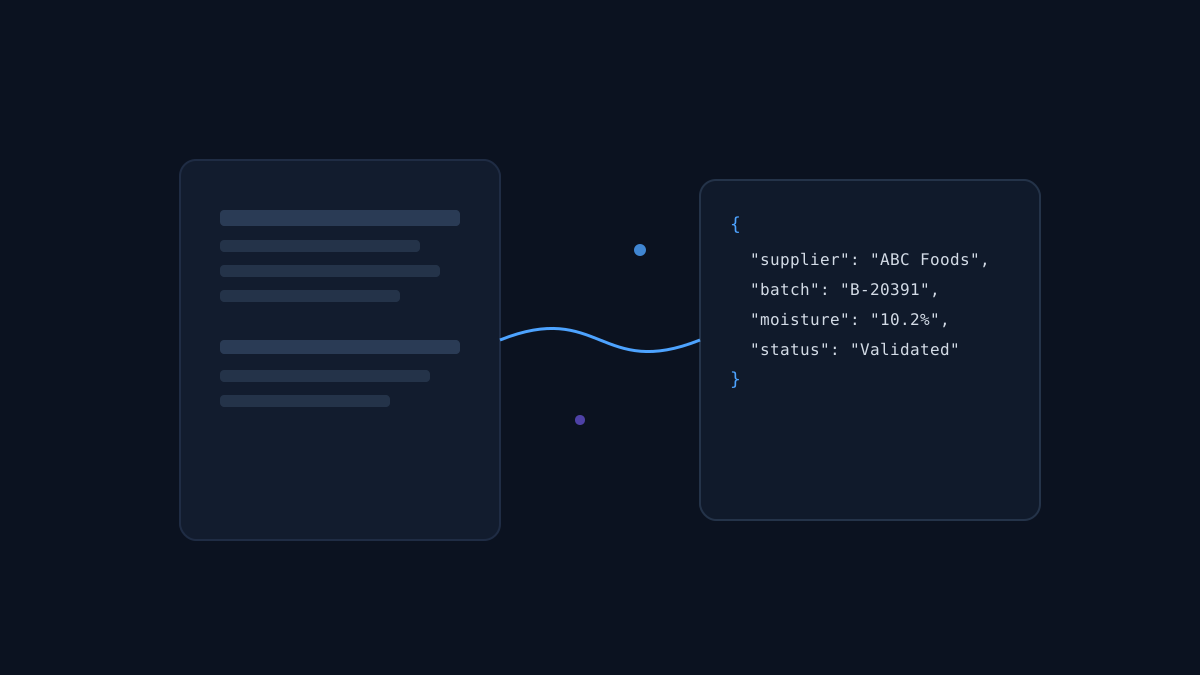
The difference between manual and automated COA management is stark. Manual processes involve painstakingly extracting data and typing it into spreadsheets or databases. Automated COA management, on the other hand, uses solutions like Ameya Extract to automatically extract data from COAs, validate it, and integrate it into your existing systems.
| Feature | Manual COA Management | Automated COA Management |
|---|---|---|
| Data Extraction | Manual data entry | Automatic data extraction with Ameya Extract |
| Error Rate | High | Low |
| Processing Time | Slow | Fast, often instantaneous |
| Data Accessibility | Limited, decentralized | Centralized, readily accessible |
| Scalability | Difficult to scale | Easily scalable |
| Cost | High (labor-intensive) | Lower (reduced manual effort) |
Automating COA management offers significant advantages in terms of accuracy, efficiency, and scalability. Using an AI-powered document processing solution reduces processing time by up to 90%, eliminates manual data entry errors, and provides a centralized repository for all COA data.
How to Build a COA Management Process That Scales
Building a scalable COA management process requires a strategic approach:
- Centralize COA Storage: Implement a central repository, like a document management system or cloud-based storage, to ensure easy access and version control.
- Automate Data Extraction: Invest in an automated data extraction tool, such as Ameya Extract, to eliminate manual data entry and improve accuracy.
- Implement Data Validation Rules: Define validation rules to ensure that extracted data meets predefined quality standards.
- Integrate with Existing Systems: Integrate your COA management system with your ERP, LIMS, or other relevant systems to streamline data flow and decision-making.
- Establish Clear Workflows: Define clear workflows for COA submission, review, and approval to ensure consistency and accountability.
This won't work if your organization isn't ready to embrace digital transformation. A successful implementation requires buy-in from key stakeholders and a willingness to adopt new technologies. Are you ready to modernize your COA management?
What COA challenges are you grappling with right now?
Managing Certificates of Analysis effectively is no longer optional; it's a necessity for ensuring product quality, regulatory compliance, and operational efficiency. If you're struggling with manual COA management, I'd be happy to share how our solutions can help. Book a demo and let's discuss your specific needs.